-
🏡 Rear House Extensions in the UK: Everything Homeowners Need to Know
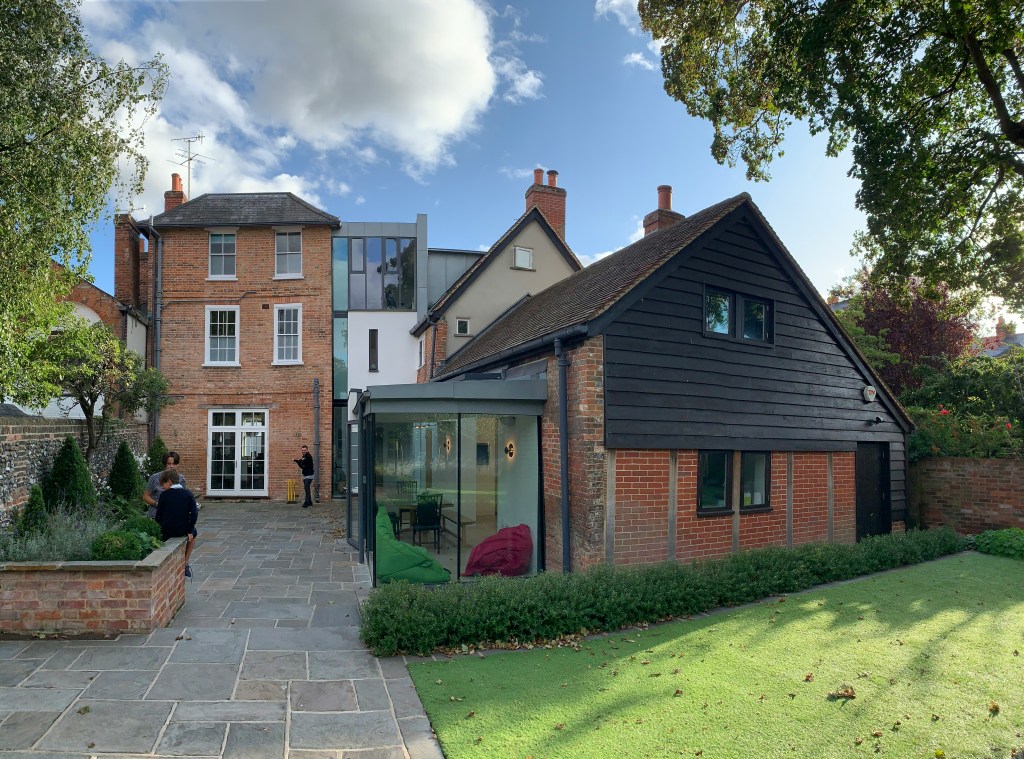
Adding a rear extension is one of the most popular ways to create extra living space without the expense and disruption of moving home. Whether you’re dreaming of a larger kitchen, an open-plan family room, or a dedicated home office, a well-designed rear extension can transform the way you use your property while adding value…
-
🏡 How to Choose the Right Structural Engineer for Your Home Project

Whether you’re planning a house extension, loft conversion, removing an internal wall, or investigating structural cracks, appointing the right structural engineer is one of the most important decisions you’ll make. A structural engineer plays a vital role in ensuring your home is safe, your project complies with Building Regulations, and your builder has the information…
-
☀️ Installing Solar Panels in the UK: A Homeowner’s Guide (Including Structural Considerations)

With rising energy costs and a growing focus on sustainability, more homeowners across the UK are turning to solar panels as a smart long-term investment. But while solar panels are often seen as a straightforward upgrade, there are important structural considerations, especially when installing them on an existing roof. In this guide, we will walk…
-
🏗️ RAAC Panels in the UK: What They Are and When You Should Be Concerned
In recent years, you may have seen headlines about buildings being closed due to something called RAAC. Naturally, this has caused concern for homeowners and property buyers across the UK. But what exactly is RAAC — and is it something you need to worry about in your own home? As a structural engineer, this guide…
-
🏠 Understanding Common Building Defects in Your Home

Every home — whether it’s brand new or over 100 years old — will develop some form of defect over time. This is completely normal and, in most cases, nothing to worry about. As a homeowner, you might notice things like small cracks in the walls, sticking doors, damp patches, or uneven floors. These can…
-
🧱 Chimney Breasts in Victorian Properties: Use, Structure & What Homeowners Should Know
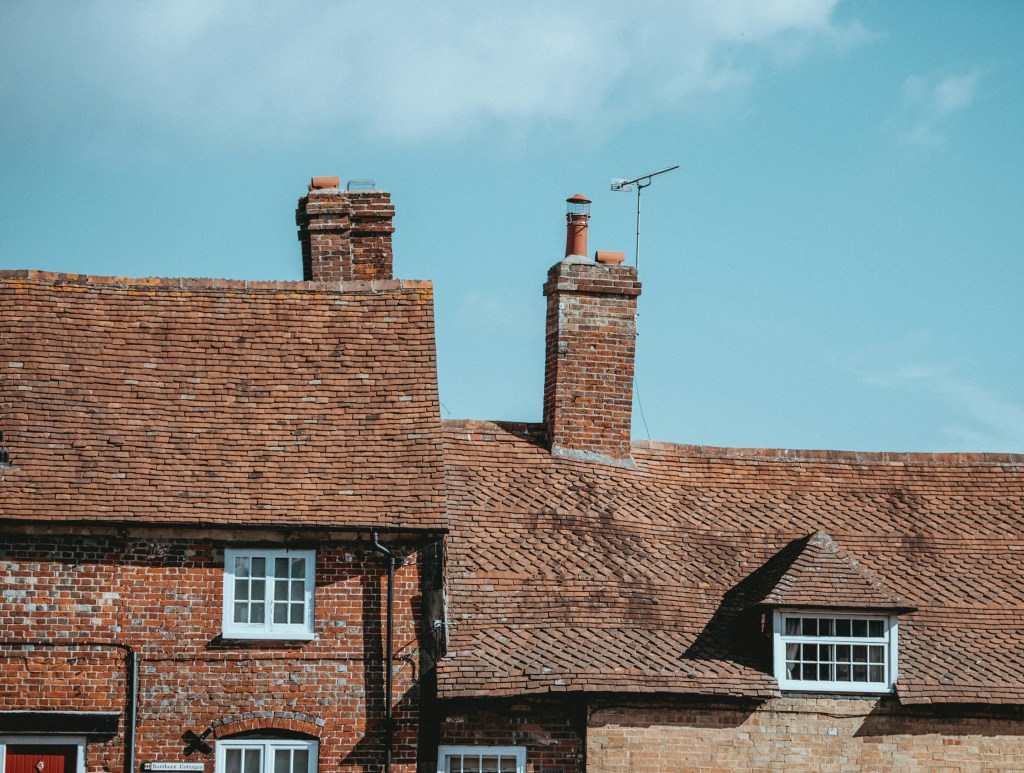
If you own a Victorian property in the UK, chances are you have one — or several — chimney breasts in your home. While many homeowners consider removing them to create space, chimney breasts are more than just decorative features. They play an important structural role, particularly in older buildings. This is one of the…
-
⚠️ Common Risks in Home Renovation Projects (And How to Avoid Them)

When planning an extension, loft conversion, or structural alteration, unexpected problems can quickly increase costs and delay your project. Below are some of the most common risks homeowners face — and what you can do early on to avoid them. 1️⃣ Not Knowing What’s Hidden Inside the Existing Structure ⚠️The Risk Sometimes there isn’t enough…
-
🏠 Removing an Internal Wall: A Structural Engineer’s Guide for Homeowners
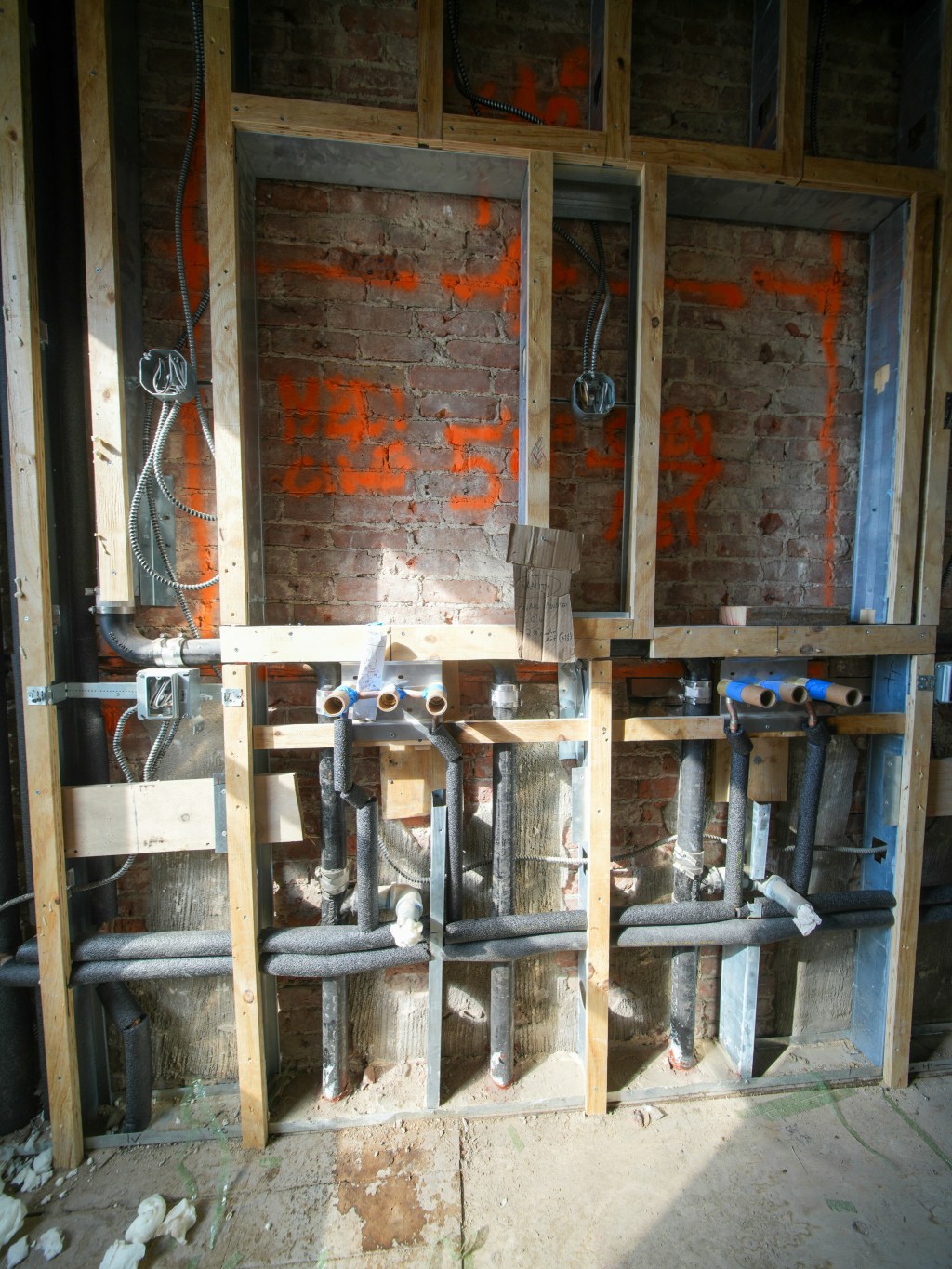
Open-plan living is one of the most common renovation goals in UK homes. Removing an internal wall can transform how a space feels — bringing in light, improving flow, and increasing property value. However, not all walls are simply “partition walls.” Some are structural — and removing them without proper assessment can cause cracking, sagging…
-
A simple guide on residential drainage in the UK 💧🚰🏠

The typical drainage systems used in the UK are categorized based on the type of effluent they carry and the configuration of the pipework. These systems are governed by national building regulations and technical standards to ensure public health and environmental protection. The primary types of drainage systems include: 1. Separate Systems This is the…
-
An overview of masonry construction in the UK 🧱🔨🏠

Masonry construction in the UK is a traditional practice with an inherent long-term durability that survives from as early as the Roman Empire and the 16th century. While historically reliant on local materials, modern manufacturing and nationwide distribution systems now make a vast variety of masonry raw materials available across the country. Masonry remains the…
-
Subscribe
Subscribed
Have a WordPress.com account? Log in now.

