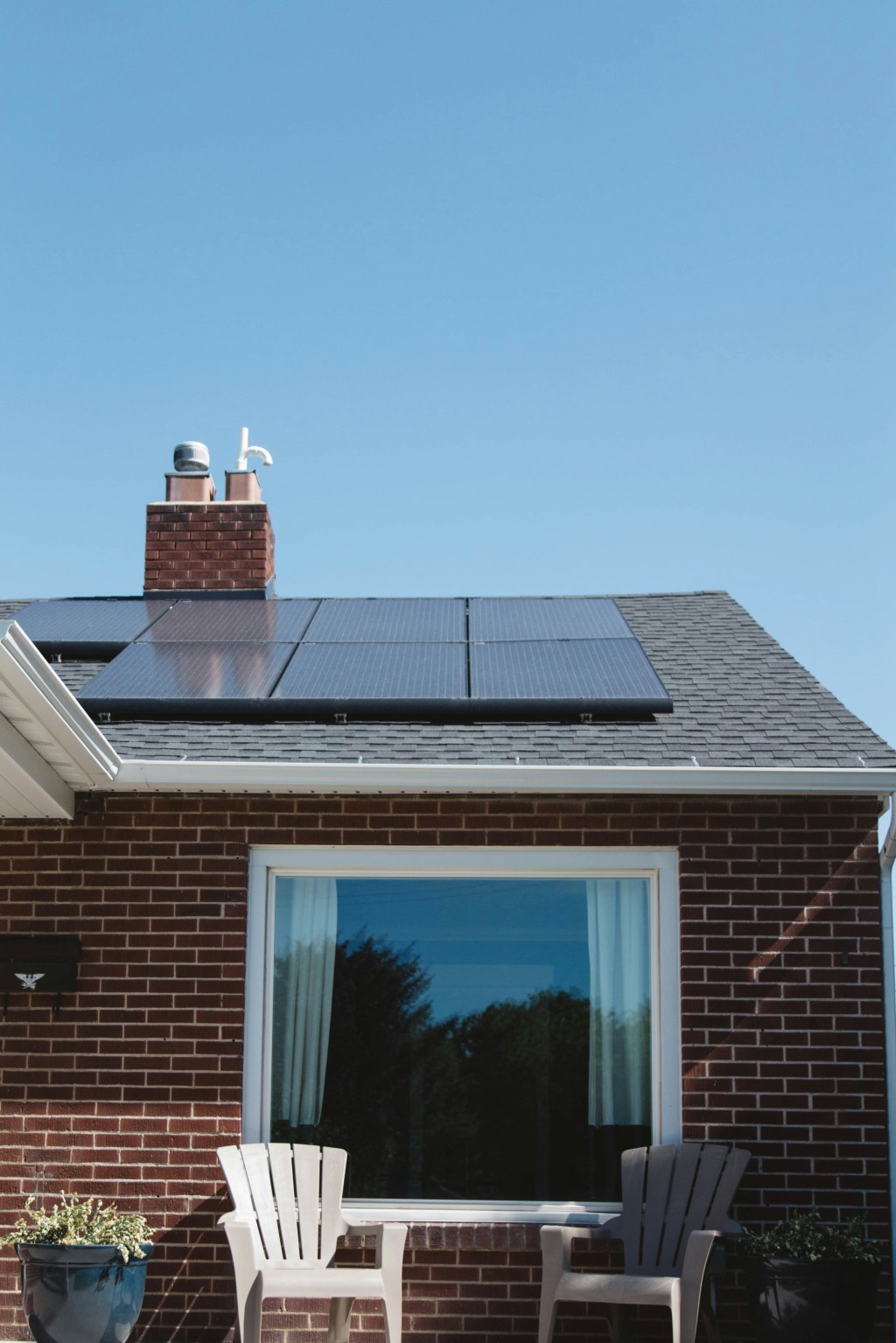
With rising energy costs and a growing focus on sustainability, more homeowners across the UK are turning to solar panels as a smart long-term investment.
But while solar panels are often seen as a straightforward upgrade, there are important structural considerations, especially when installing them on an existing roof.
In this guide, we will walk you through the basics — from the different types of solar panel fixings, to what you need to consider before installing them on your home.
Solar panels (also known as photovoltaic or PV panels) convert sunlight into electricity for your home.
They work by:
- Capturing sunlight using solar cells
- Converting it into usable electricity
- Powering your home during the day
- Exporting excess energy back to the grid (if applicable)
They are most commonly installed on pitched roofs in UK residential properties.
The fixing system is what connects the solar panels to your roof. Choosing the right system is critical for both structural safety and weatherproofing.
1️⃣ Roof Hook (Tile Roof) Systems
- Most common in UK homes
- Hooks are fixed into rafters beneath roof tiles
- Rails are attached to hooks, and panels sit on rails
✔ Strong and reliable
✔ Minimal disruption to roof tiles
2️⃣ Rail-Based Systems
- Aluminium rails run horizontally across the roof
- Panels are clamped onto the rails
✔ Even load distribution
✔ Flexible panel layout
3️⃣ In-Roof (Integrated) Systems
- Panels replace part of the roof covering
- Sit flush with roof tiles
✔ Sleeker appearance
✔ Slightly lighter overall
❌ More complex installation
❌ Greater risk of leaks if poorly installed
4️⃣ Flat Roof Ballasted Systems
- Panels sit on frames weighted down with ballast
- No penetration into roof structure
✔ No drilling into roof
✔ Suitable for flat roofs
❌ Adds significant weight
❌ Requires careful structural assessment
5️⃣ Direct Fix (Railless) Systems
- Panels fixed directly to mounting brackets
- No continuous rails
✔ Fewer components
✔ Faster installation
❌ Less flexibility in layout
⚖️ How Much Do Solar Panels Weigh?
Understanding weight is important when assessing whether your roof can safely support solar panels.
Typical weights:
- Individual panel: 18–25 kg
- Panels + mounting system: ~15–20 kg/m²
Additional considerations:
- Rails, brackets, and fixings add weight
- Ballasted systems can add significantly more load
- Snow load (in winter) must also be considered
💡 In simple terms:
This is a moderate additional load, but usually within the capacity of a well-built roof — provided it’s in good condition.
🏗️ Structural Considerations for Timber Roofs
Most UK homes have timber roof structures, and this is where careful assessment is important.
🔎 1️⃣ Condition of the Existing Roof
Before installation, check:
- Any sagging or uneven roof lines
- Signs of timber rot or damp
- Loose or damaged tiles
Installing panels on a weak roof can make problems worse.
📏 2️⃣ Rafter Size and Capacity
Solar panels transfer loads into the rafters.
A structural check may consider:
- Rafter size (depth and width)
- Spacing between rafters
- Span length
Undersized rafters may need strengthening.
🔩 3️⃣ Fixing Into Structural Timber
Fixings must:
- Be securely anchored into rafters (not just tiles or battens)
- Be spaced correctly
- Avoid overloading individual points
Poor fixing is one of the most common causes of:
- Roof leaks
- Structural damage
- Panel failure
🌬️ 4️⃣ Wind Uplift Forces
Solar panels act like small sails.
Engineers consider:
- Wind uplift forces
- Edge zones (most exposed areas)
- Fixing frequency
This is especially important in exposed or coastal locations.
⚖️ 5️⃣ Load Distribution
Panels should be arranged to:
- Spread weight evenly
- Avoid concentrating loads in one area
- Maintain balance across the roof
🏠 6️⃣ Roof Type Matters
Older roofs (Victorian/Edwardian):
- Often robust but variable
- May need inspection due to age
Modern trussed roofs:
- Efficient but less forgiving
- Designed with tighter load limits
🧠 Do You Need a Structural Engineer?
You should consider one if:
✔ Your roof is older or has been altered
✔ You’re installing a large number of panels
✔ You’re using a heavy system (e.g. ballasted)
✔ There are signs of existing movement
✔ Your installer recommends it
A structural engineer can:
- Confirm load capacity
- Review fixing strategy
- Provide calculations if required
- Give peace of mind
🏁 Final Thoughts
Solar panels are a great investment for UK homeowners — but they must be installed correctly to ensure both performance and safety.
The key things to remember:
✔ Panels add weight — but usually manageable
✔ Fixing systems are critical to safety
✔ Roof condition must be assessed
✔ Professional advice can prevent costly issues
With the right design and installation, solar panels can safely serve your home for decades.
 HM Structures
Leave a comment