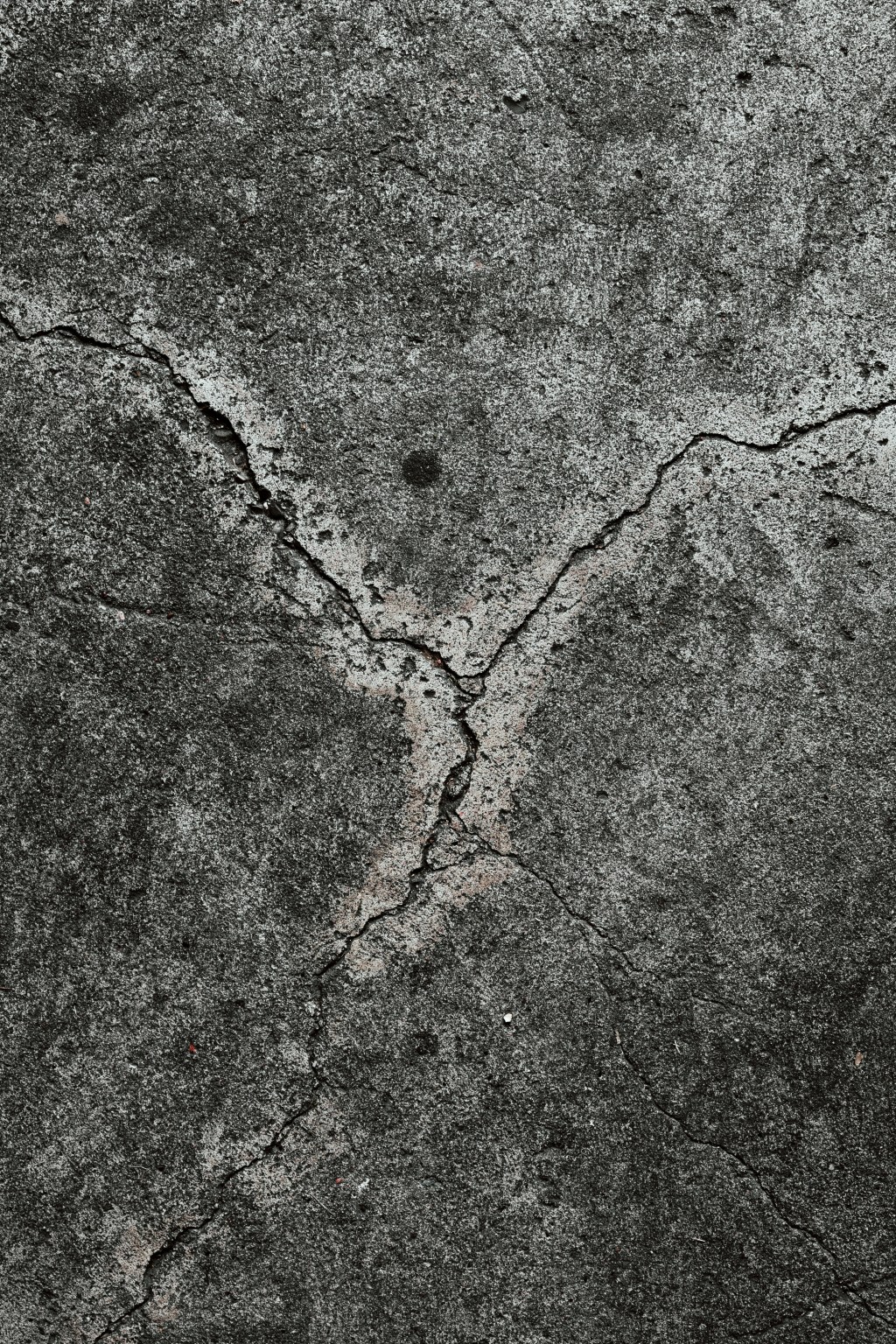
Every home — whether it’s brand new or over 100 years old — will develop some form of defect over time. This is completely normal and, in most cases, nothing to worry about.
As a homeowner, you might notice things like small cracks in the walls, sticking doors, damp patches, or uneven floors. These can feel concerning, especially if you’re unsure what’s causing them or whether they point to something more serious.
The good news is that most building defects are minor and easily manageable once you understand what’s going on.
Homes naturally move and change over time due to:
- Temperature changes
- Moisture levels
- Ground movement
- Building material that deteriorates over time
Some issues are simply cosmetic, while others may need a bit more attention. The key is knowing the difference.
In this guide, we’ll walk through some of the most common building defects found in UK homes, what causes them, and when it might be worth seeking professional advice.
Timber Rot
Refers to the fungal decay of wood in buildings, which occurs when timber is exposed to high moisture levels, specifically when its moisture content rises above 20%. In well-maintained properties, internal timbers rarely reach this threshold, so the presence of rot generally indicates a failure in building design, construction, or maintenance that is allowing water to enter.
The sources identify two primary categories of wood-rotting fungi: wet rot and dry rot.
Wet Rot
Wet rot is common in timbers that have been soaked by water leakage and can be divided into two groups based on their appearance:
- Brown Rots: These attack the cellulose in the wood, causing the timber to become darker brown and develop characteristic cross-checked cracks (often in cube-like shapes). Common examples include Coniophora puteana (cellar fungus).
- White Rots: These attack both cellulose and lignin, leaving the wood fibrous, lint-like, and pale in color without cross cracks.
- Soft Rot: A further category that typically occurs in very wet conditions, such as ground contact, causing darkening and softening of the outer part of the wood.
Dry Rot
Dry rot (Serpula lacrymans) is a particularly devastating type of brown rot that has unique features making it more difficult to combat than wet rot.
- Masonry Spread: Unlike wet rot, dry rot can grow through porous masonry materials (plaster, brickwork, and mortar) to reach and infect other timbers far from the original moisture source.
- Dormancy: It can lie dormant in dry timbers for a year or more and reactivate if damp conditions return.
- Signs: It causes large cuboidal cracking, discolouration, and may produce red dust (spores) or white-to-grey silky sheets of mycelium.
Identification and Indicators
Surveyors use several methods to detect and identify timber rot:
- Visual Inspection: Looking for discolouration, fungal growth (fruiting bodies), or a stringy/fibrous appearance.
- Probing: Probing suspect timber with a sharp instrument like a bradawl; decayed wood offers little resistance and may produce short, “brash” splinters.
- Sounding: Tapping large-section timbers with a hammer; sound timber produces a bright, clear ring, while decayed wood produces a dull, muffled sound.
- Odor: Dry rot often gives off a characteristic smell similar to mouldy cheese.
While some fungi (like surface moulds or blue-stain fungi) grow on wood, they do not necessarily cause structural rot, though their presence is an indicator of damp conditions that could eventually lead to it
Sulfate attack
Is a chemical reaction between water solutions of soluble sulfate salts—typically sodium, potassium, or magnesium—and a constituent of Portland cement or hydraulic lime. The reaction involves the expansive conversion of tricalcium aluminate (C3A) in the cement paste into a mineral called ettringite. This process is progressive and leads to the permanent expansion, cracking, and disintegration of mortar, concrete, or renderings. In more severe cases, specifically under cold and wet conditions with available carbonates, the reaction can form thaumasite, which degrades the cement binder until the concrete or mortar eventually deteriorates into a white, pulpy “mush”.
For a sulfate attack to occur, the following conditions must be met:
1. Necessary Conditions
A serious attack, particularly in brickwork, generally requires five conditions to be satisfied simultaneously:
- The soluble sulfate content of the bricks must be above 0.5%.
- The tricalcium aluminate (C3A) content of the cement must be above 8%.
- The mortar must be permeable enough to allow moisture transfer.
- The masonry must remain wet for long periods.
- There must be moisture interchange between the brick and the mortar or rendering.
2. Common Occurrences and Scenarios
Sulfate attack happens in specific parts of a building where moisture and sulfate sources coincide:
- Ground Floor Slabs and Oversites: This is a common cause of floor heave. It occurs when concrete slabs are laid directly over sulfate-rich hardcore (such as burnt colliery shale or “red shale”) without an isolating damp-proof membrane (DPM). In damp conditions, sulfates migrate into the slab, causing it to arch and crack into a domed shape, which can eventually push bounding walls outward.
- Exposed Masonry: Attacks are frequent in parapets, free-standing boundary walls, and retaining walls. These structures are vulnerable because they are exposed on multiple faces and Detailing (such as leaky copings) often fails to keep the brickwork dry.
- Chimney Stacks: Unlined flues serving solid fuel or slow-combustion boilers are highly susceptible. Moisture from flue gases condenses in the cold upper part of the stack, mobilizing sulfates that attack the mortar joints, often causing the stack to lean or become unstable.
- Rendered Walls: Sulfate attack is a frequent cause of rendering failure. If rainwater penetrates cracks in the render and becomes trapped against the brickwork, sulfates from the bricks attack the cement in the render and mortar, leading to characteristic horizontal cracking and detachment of the render.
- Foundations: Foundations can be attacked if they are buried in sulfate-bearing clay soils (such as London, Oxford, or Kimmeridge Clay) where the sulfates are dissolved in the groundwater. This risk is heightened if the foundations are subjected to water pressure on one side, which carries fresh sulfates into the concrete.
While efflorescence (surface salt deposits) is merely unsightly and usually harmless, sulfate attack is a structural concern because the resulting expansion can impair the stability of walls and slabs.
Reinforced Autoclaved Aerated Concrete (RAAC)
Is a lightweight, precast structural material that was widely used in the UK from the late 1950s until the mid-1990s. Unlike traditional dense concrete, it is a cellular material produced by a chemical reaction (typically involving aluminium powder) that creates hydrogen gas bubbles, resulting in a foamed “aircrete” structure. It is steam-cured at high pressure in an autoclave and contains embedded steel reinforcement to provide flexural and shear capacity.
The main structural concerns and defects associated with RAAC include:
1. Material and Strength Concerns
- Low Material Strength: RAAC has a compressive strength significantly lower than traditional concrete—typically around one-sixth the strength.
- High Flexibility and Creep: It has a low elastic modulus, meaning it is very flexible and prone to excessive long-term deflections and creep, where the panels continue to sag under their own weight and constant loads over time.
- Permeability: The aerated nature of the material makes it highly permeable, allowing moisture to penetrate easily into the panel’s core.
2. Reinforcement and Corrosion Issues
- Vulnerability to Corrosion: Unlike dense concrete, RAAC does not provide a naturally alkaline environment to protect the steel reinforcement. Consequently, reinforcement must be coated (e.g., with bitumen or latex) for protection, but these coatings are often found to have broken down in older panels.
- Hidden Corrosion: Corrosion can sometimes occur without producing obvious external signs because the porous AAC matrix can absorb rust products without immediately cracking the surface.
- Poor Bond Strength: There is little to no inherent bond between the smooth reinforcement and the aerated concrete matrix. Structural integrity relies almost entirely on transverse “anchorage” bars welded to the main longitudinal steel; if these were poorly placed or are corroded, the panel can fail.
3. Common Performance Defects
- Excessive Sagging and Ponding: Appreciable in-service deflections (sometimes exceeding 1/100th of the span) are common. On flat roofs, this sagging often reverses drainage falls, leading to rainwater ponding, which increases the load and further accelerates deterioration.
- Soffit Cracking: Extensive “hair-line” or transverse cracking is frequently observed on the underside (soffit) of panels, which may indicate that deflections have exceeded design limits.
- End Bearing Failures: A critical safety defect is inadequate bearing width at supports. Panels with small bearings (less than 40 mm) or significant disruption and cracking near the support are at risk of sudden shear failure.
- Independent Panel Movement: Ineffective grouting between units can cause panels to act independently rather than as a single structural entity, leading to differential movement and damage to waterproofing membranes.
- Manufacturing and Installation Errors: Some panels have been found with misplaced reinforcement, missing transverse anchorage bars, or instances where units were inappropriately cut from longer planks on-site, compromising their strength
High Alumina Cement (HAC)
Also referred to as High Alumina Cement Concrete (HACC), is a rapid-hardening cement made from limestone or chalk and bauxite (a clay with high alumina content). It was widely used in the UK between the 1930s and mid-1970s—peaking in the 1950s and 60s—because it could reach its full design strength in just 24 hours. This made it highly attractive for the manufacture of precast structural members, particularly prestressed “X” or “I” beams used in floor and roof construction.
The primary structural concerns regarding HAC stem from a chemical process known as conversion, which eventually led to its ban for structural use in 1974 following high-profile collapses of school roofs in Camden and Stepney.
1. The Conversion Process
The fundamental defect in HAC is its mineralogical instability. Over time, the hydrated calcium aluminates in the cement undergo a recrystallisation into a more stable, denser form.
- Strength Reduction: This “conversion” results in a significant loss of compressive strength, which can sometimes be reduced to half of its original value.
- Increased Porosity: As the minerals rearrange into a denser structure, the concrete becomes more porous, weakening the internal matrix.
- Environmental Triggers: The rate of conversion is significantly accelerated by high temperatures and persistent moisture or high humidity.
2. Main Structural Concerns and Defects
Beyond the inherent loss of strength from conversion, HAC structures are vulnerable to several secondary defects:
- Reinforcement Corrosion: Because HACC is more porous after conversion, it offers less protection to embedded steel. Furthermore, cover to reinforcement in many HAC beams was commonly less than 20 mm. Most surviving HAC components are now found to be carbonated to the depth of the steel, making the future risk of corrosion significant if the material becomes damp.
- Chemical Attack (Alkaline Hydrolysis): The increased porosity makes converted HAC highly vulnerable to attack by alkalis. This often occurs when water leaches through an ordinary Portland cement (OPC) screed or topping placed over the HAC units, carrying alkaline solutions into the porous HAC matrix and causing severe disruption.
- Sulfate Attack: Converted HAC has a disproportionately greater vulnerability to sulfate attack, which can further degrade the structural integrity of foundations or floor bearings.
- Inadequate Bearings and Tying: Historical investigations (such as at Camden School for Girls) revealed that many HAC roof failures were exacerbated by supporting nibs that were too small and a lack of adequate lateral ties between the roof units.
- Difficult Identification: HAC is often darker grey than Portland cement concrete, but this is not a definitive guide as colour is also influenced by the aggregate used. Definitively identifying HAC and its degree of conversion requires specialist chemical analysis or site testing.
While many buildings with HAC components remain in service safely, they require careful durability management, particularly ensuring they remain permanently dry to prevent corrosion and chemical attack.
 HM Structures
Leave a comment