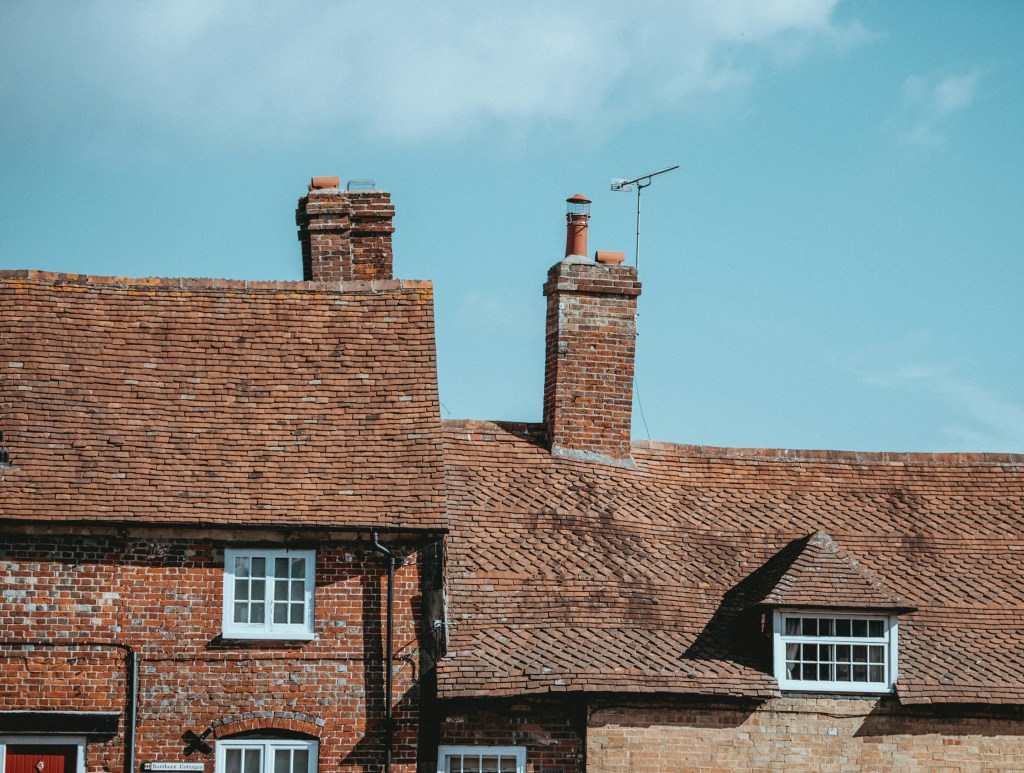
If you own a Victorian property in the UK, chances are you have one — or several — chimney breasts in your home.
While many homeowners consider removing them to create space, chimney breasts are more than just decorative features. They play an important structural role, particularly in older buildings.
This is one of the most common enquiries we receive. Here’s what you need to know before altering or removing one.
🔥 Why Victorian Homes Have Chimney Breasts
Victorian homes (1837–1901) were built during a time when:
- Open fireplaces were the primary source of heating
- Each main room typically had its own fireplace
- Coal was widely used
- Central heating did not exist
This meant houses were designed around multiple chimney stacks and flues.
A typical Victorian terrace may have:
- Two chimney breasts downstairs
- Two directly above upstairs
- A shared chimney stack with the neighbouring property
The chimney breast is the visible internal projection that houses the flue running up to the chimney stack above the roof.
🧱 How Chimney Breasts Are Built
In Victorian properties, chimney breasts are typically:
- Constructed from solid brick masonry
- Built off shallow brick footings
- Integrated into load-bearing walls
- Sometimes bonded into party walls
They are often heavier than homeowners expect.
A single chimney stack can weigh several tonnes, especially where shared with a neighbour.
🏗️ The Structural Role of a Chimney Breast
Many people assume chimney breasts are non-structural because they appear decorative.
In reality, they can:
1️⃣ Provide Vertical Support
In some layouts, floor joists or roof timbers may be built into or alongside chimney masonry.
2️⃣ Provide Lateral Stability
In end of terrace properties, chimney breasts tied into the gable wall can contribute to overall stability.
3️⃣ Support Upper Chimney Sections
If you remove a ground floor chimney breast, the masonry above does not simply “float.” It must be properly supported.
Removing part of a chimney breast without structural design can lead to:
- Cracking
- Sagging floors
- Movement in the party wall
- In extreme cases, collapse
🏠 Why Homeowners Remove Chimney Breasts
Common reasons include:
- Creating open-plan layouts
- Increasing floor space
- Improving furniture layouts
- Installing modern heating systems
Removing a chimney breast can free up 0.5–1m² per room — which feels significant in Victorian homes.
But removal must be approached carefully.
⚠️ Structural Considerations Before Removal
If you are considering removal, here are the key issues.
🔎 1️⃣ Is It a Party Wall Chimney?
Many Victorian chimney stacks are shared between neighbouring properties.
This means removal often falls under the Party Wall etc. Act 1996.
You may need:
- Formal party wall notices to be sent to your neighbours
- Surveyor involvement
- A Party Wall Award
Failing to follow this process can cause legal disputes.
🏗️ 2️⃣ How Will the Remaining Chimney Be Supported?
If only the lower section is removed, the upper chimney needs structural support.
Common solutions include:
- Steel beam support running parallel and underneath the chimney breast.
- Gallows brackets (only in certain situations and subject to approval)
- Full removal including stack above roof (more complex and costly, subject to planning permission)
Support must transfer load safely to suitable masonry below.
🧱 3️⃣ Condition of Existing Masonry
Victorian brickwork may:
- Be lime mortar-based
- Be weathered or degraded
- Have shallow foundations
Structural assessment ensures the remaining structure is stable.
📋 4️⃣ Building Regulations Approval
Removing a chimney breast requires Building Control approval.
You will need:
- Structural calculations
- Beam design
- Details showing adequate support
- Fire protection where steel is used
Work must be inspected before being signed off.
💡 What About Gallows Brackets?
Gallows brackets are steel brackets bolted into the party wall to support the remaining chimney above.
However:
- Not all councils accept them
- They are often rejected where the chimney is shared
- They rely heavily on the strength of the existing masonry and the workmanship of the anchor bolts which is hard to guarantee.
In many cases, a properly designed steel beam provides a more robust solution.
🧠 Common Problems When Done Incorrectly
Unsupported chimney breasts can cause:
- Diagonal cracking to party walls
- Chimney stack above the roof line to tilt and become unstable
- Structural instability of the main walls shared with the chimney
- Neighbour disputes
- Expensive remedial works
Most of these issues could have been avoided with proper design.
💷 Typical Costs (Very Approximate)
- Structural engineer design: £300–£800
- Party Wall surveyor (if required): varies
- Steel beam installation: £1,500–£3,000+
- Making good finishes: additional
Costs increase significantly if full chimney stack removal is required.
While removing a chimney breast can certainly add value to your home, it is important to seek proper advice before undertaking such works.
 HM Structures
Leave a comment