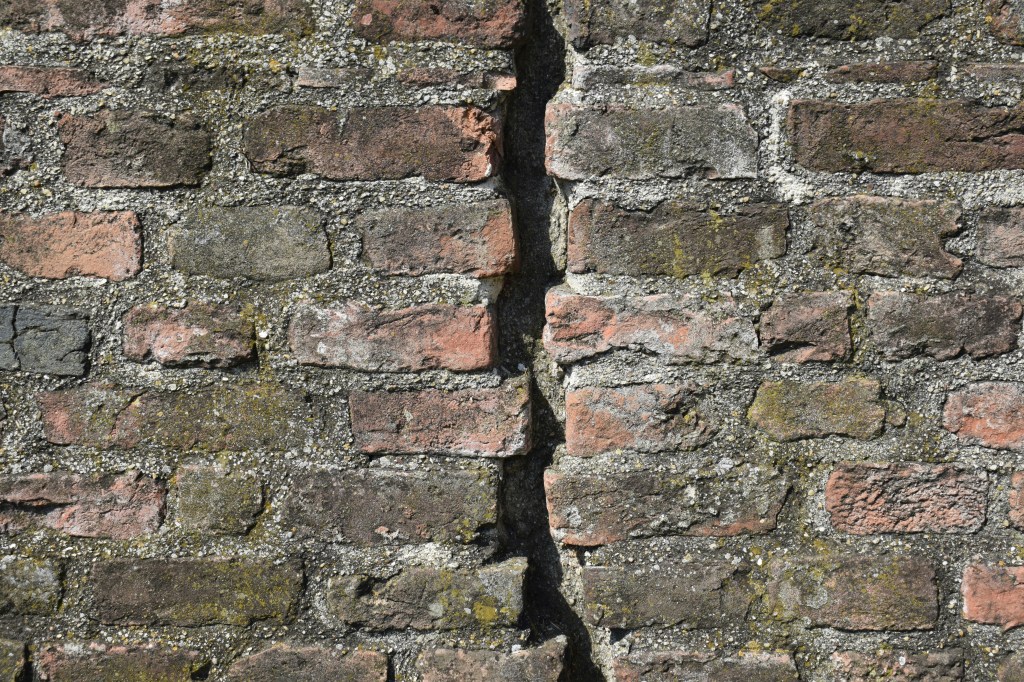
As structural engineers, one of the most common concerns we hear from homeowners is:
“Should I be worried about subsidence?”
Subsidence can sound alarming, but with the right understanding and timely action, it’s something that can be effectively managed.
Below is a clear, simple explanation of what subsidence is, what causes it, when to worry, and how it can be repaired — including how engineers use BRE Digest 251 to assess cracks in homes.
🧱 What Is Subsidence?
Subsidence is the downward movement of the ground beneath a building that causes part of the structure to sink.
This movement is not due to the normal settling from the weight of a house — it is ongoing and unexpected, and can lead to structural issues if ignored.
In everyday terms:
➡️ The soil moves downward
➡️ The house moves with it
➡️ Cracks or distortions may appear on the walls and floor
🌳 What Are the Main Causes of Subsidence?
Here are the most common causes seen across the UK:
1. Clay Soil Shrinkage
Clay expands when wet and shrinks when dry.
Prolonged dry spells (now more frequent with climate change) can cause clay soils to contract beneath a house, especially if the foundations are shallow (generally less than 750mm deep).
2. Trees and Large Shrubs
Tree roots draw moisture from the soil which can lead to subsidence.
Thirsty species like oak, willow, poplar, and large conifers are well-known contributors to subsidence issues. Foundations near trees are generally designed to be much deeper. Where this is not the case, the house will be vulnerable to tree growth as its root system extends and draws the moisture from the ground below the foundations.
3. Leaking Drains or Pipes
Water escaping from damaged drains can soften or wash away the supporting soil beneath foundations. Below ground pipes can be checked with a CCTV survey where the technician places a camera through the pipes to inspect it’s condition. Where the pipes are damaged, they should be repaired.
4. Shallow or Weak Foundations
Many older UK properties were built on relatively shallow foundations, making them more vulnerable to ground changes. This is particularly true for period buildings built before the 1930s. Quite often there’s no concrete foundation and the wall just sits directly on the ground no more than 400-500mm below the ground surface.
5. Ground Instability or Old Mining Areas
Some regions in the UK have historical mining activity that can lead to ground movement decades later.
🚨 When Should a Homeowner Worry About Subsidence?
Not every crack indicates subsidence — most houses develop minor cosmetic cracks over time. This could also be due to shrinkage as the building fabric contracts or expands due to change in moisture and temperature.
However, there are warning signs worth paying attention to:
1. Large or Expanding Diagonal Cracks
Look for cracks that:
- Are wider than 5mm and appear on both side of the wall.
- Follow a diagonal/zigzag pattern (often along mortar joints).
- Extend from windows, doors, or corners of rooms.
- Are wider at the top than the bottom.
- Appear rapidly or worsen over time.
2. Sticking Doors or Windows
If doors suddenly start to jam or window frames become misaligned, it may indicate localised movement. Where the houses suffer from periodical foundation movement, you may find this occuring in regular intervals.
3. Sloping Floors or Bowing Walls
Rooms that feel uneven or walls that appear to lean can be early indicators fo foundation movement. Try placing a marble or a ball on the floor, does it roll towards any particular spot?
4. Gaps Between Walls and Ceilings
Separation between structural elements could be a sign of movement.
📘 How Engineers Use BRE Digest 251 – Assessing Cracks in Houses
When a homeowner reports cracks, structural engineers often assess the crack size and width against BRE Digest 251, a respected UK technical guide, to help classify the cracks and understand their significance.
BRE 251 groups cracks into categories based on:
- Width
- Pattern
- Location
- Progression
- Likely cause
These categories range from Category 0 [Hairline cracks] through to Category 5 [Structural Damage].
As a homeowner, this means:
✔ Your engineer is following a recognised national standard.
✔ Cracks are assessed consistently and objectively.
✔ You receive a clear explanation of whether the crack is cosmetic or structural.
✔ The right level of repair is recommended.
BRE 251 helps ensure that cracks are not over- or under-reacted to, providing a balanced, professional approach.
🛠️ What Can Be Done to Mitigate or Repair Subsidence?
The right solution depends on the cause — which is why correct diagnosis is critical.
1. Addressing the Root Cause
This may include:
- Removing or pruning problem trees.
- Repairing leaking drains.
- Improving site drainage.
- Managing water flow around the property.
- Underpinning or ground improvement works.
Often, once the root cause is fixed, subsidence stabilises.
2. Monitoring the Movement
Engineers may install crack monitors or recommend monitoring for 3 – 12 months to confirm whether movement is ongoing or is cyclical. Where the movement is cyclical, the client may just consider accepting this as part of the normal behaviour of the house, or if this proves to be a nuisance, then more permanent interventions can be made.
3. Underpinning (Only When Necessary)
Underpinning strengthens foundations by extending them deeper to stronger ground and also away from the effects from the variation in moisture due to trees/leaking pipes.
.
It is a last-resort measure and far less common than many people assume.
Two common methods include:
- Mass concrete underpinning
- Piled underpinning (modern and efficient)
- Geopolymer injection
Underpinning is recommended only if the house continues to move after the cause is fixed.
4. Repairing Cosmetic Damage
Once stability is confirmed, cracks can be filled, walls replastered, and frames realigned.
This stage should happen only after the house has fully settled.
🧠 Final Thoughts From an Engineer
Subsidence is manageable.
Most cases can be stabilised without major disruption, especially when addressed early.
Remember:
- Not all cracks are structurally significant.
- Engineers use BRE 251 to assess cracks accurately and objectively.
- Fixing the root cause is often enough to stop movement entirely.
- Underpinning is a last resort — not the default solution.
If you’re concerned about cracks or movement in your home, don’t panic.
A structural engineer can provide a clear diagnosis and guide you through the most sensible steps to protect your home.
 HM Structures
Leave a comment