Before you start dreaming about skylights and built-in wardrobes, there are a few important things to consider — especially when it comes to your home’s structure and safety.
🧱 What Is a Loft Conversion?
A loft conversion is when you transform your unused attic into a liveable space. It’s one of the most popular home improvements across the UK — particularly in towns and cities where extending outward isn’t possible due to space or planning restrictions.
Homeowners often use the new loft space as:
- A bedroom or guest room
- A home office
- A playroom for children
- An ensuite or dressing area
While it might sound straightforward, several structural and legal factors determine whether your loft can safely be converted.
🔍 Key Things to Consider Before a Loft Conversion
Before you call your builder or architect, check these essential factors first:
1. Head Height
Your loft should have at least 2.2 metres of headroom from the floor to the highest point of the roof. If it’s lower, you may need to raise the roof (subject to planning permission approval) or lower the ceiling below — both of which can add time and cost.
2. Roof Structure
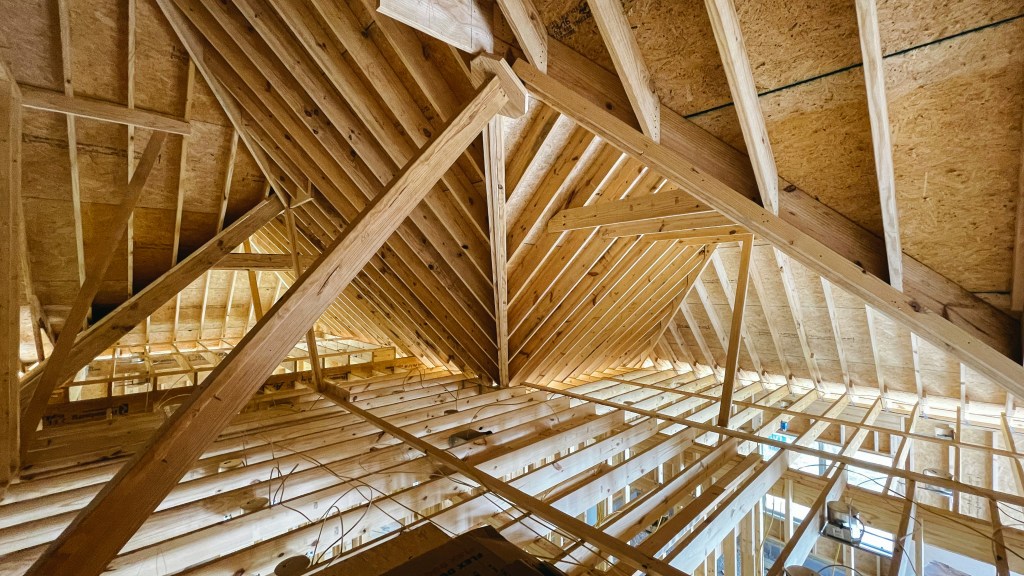
Older homes (pre-1960s) often have cut timber roof structures, which are easier to adapt. Newer homes with timber trussed roofs may require extra structural work and is generally a bit fiddlier to convert. A structural engineer can assess whether your roof can safely be modified.
3. Access and Stairs
Every loft conversion in the UK must include a safe, permanent staircase that meets Building Regulations for headroom, width, and fire safety. Pull-down ladders won’t meet the requirements for habitable rooms. Your architect would work with you to work out a layout that uses the space smartly while still ensuring proper access to the loft.
4. Building Regulations and Planning Permission
Most loft conversions fall under Permitted Development Rights, meaning you might not need full planning permission. However, you must still comply with Building Regulations regarding fire safety, insulation, and structural strength. Your structural engineer ensures all of these standards are met.
5. Floor Strength and Load Bearing
Your loft’s floor joists weren’t originally designed to support furniture, people, and walls. A structural engineer checks whether your current joists are strong enough and designs new beams if necessary.
6. Insulation and Ventilation
Good insulation and ventilation are essential for comfort and energy efficiency. You may also need roof windows or skylights to meet daylight and ventilation requirements.
🧠 How a Structural Engineer Helps with Loft Conversions
Many homeowners start by calling a builder — but your structural engineer should be one of the first professionals you contact. Here’s how they help:
1. Feasibility Assessment
The engineer visits your home to assess whether your loft is structurally suitable for conversion. They’ll check your roof type, supporting walls, and floor strength to determine what’s possible.
2. Structural Design and Calculations
They create detailed drawings and calculations required for Building Control approval and used by your builder during construction. These ensure the design meets all UK safety standards.
3. Liaison with Your Architect and Builder
Structural engineers work closely with your architect and contractor to align the design, materials, and load-bearing requirements — preventing costly mistakes or delays.
4. Site Visits and Inspections
During construction, your engineer may carry out site inspections to confirm the work matches the approved plans and is being completed safely and correctly.
💷 The Value of a Structural Engineer in a Loft Conversion
Hiring a structural engineer may seem like an extra expense, but it’s an investment in safety and long-term value. They ensure your new loft:
- ✅ Meets all Building Regulations and safety standards.
- ✅ Is structurally sound and future-proof.
- ✅ Is built efficiently — saving you money in the long run.
🏁 In Summary
A loft conversion is one of the best ways to expand your home’s living space and boost its value — but it’s not as simple as just boarding out the attic.
Before starting any work, consult a structural engineer. They’ll help you understand what’s possible, create safe structural designs, and ensure everything complies with UK regulations.
So before you grab your paint swatches — book a chat with a structural engineer.
 HM Structures
Leave a comment