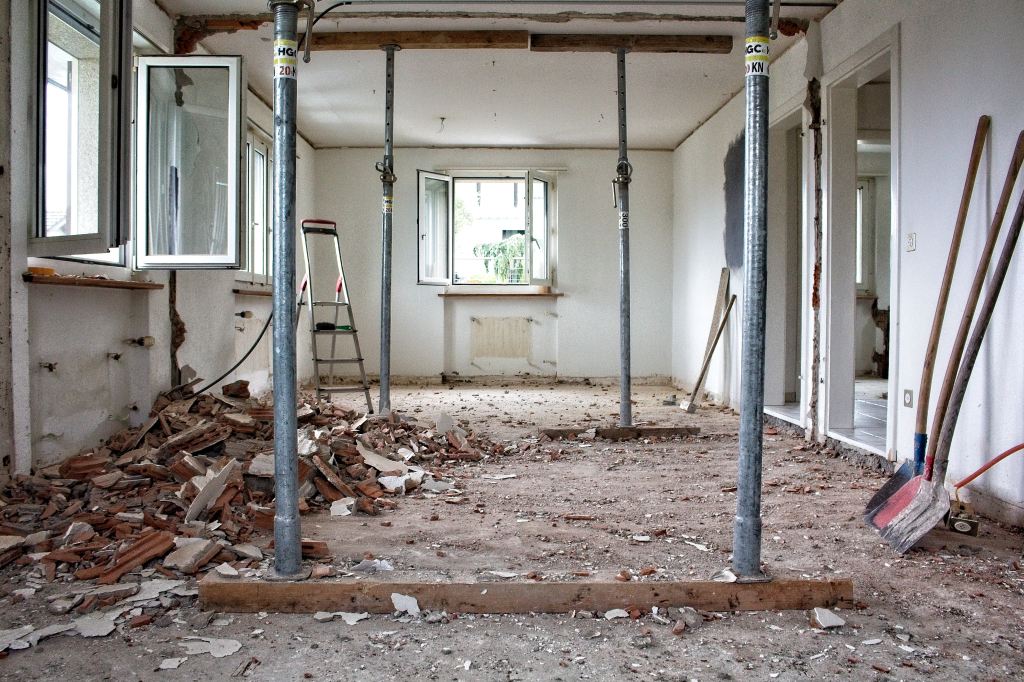
A residential structural survey, conducted by a structural engineer, involves a comprehensive assessment of the structural integrity and stability of a residential property. The primary goal is to identify any existing or potential issues with the building’s structure. Here is an overview of what a residential structural survey typically involves:
- Site Inspection:
- The structural engineer begins by conducting a thorough site inspection. This includes an examination of the exterior and interior of the property to visually assess its overall condition.
- Foundation Assessment:
- Examination of the foundation to ensure it is structurally sound. This involves assessing the type of foundation, looking for signs of settlement, cracks, or any other issues that might affect stability.
- Structural Elements Inspection:
- Detailed inspection of structural elements such as walls, columns, beams, and floors. The engineer looks for any visible signs of damage, deterioration, or inadequate construction.
- Roof Inspection:
- Evaluation of the roof structure to check for signs of sagging, water damage, or any structural issues. The condition of roofing materials, trusses, and supports is examined. Where applicable, a drone can be used to also inspect the roof rather than using ladders/scaffolds.
- Wall and Floor Assessment:
- Examination of internal and external walls to identify cracks, bowing, or other structural concerns. The engineer assesses the load-bearing capacity of walls and the condition of floors.
- Analysis of Structural Deficiencies:
- Identification and analysis of any structural deficiencies or issues that could compromise the safety and stability of the building. This includes assessing the impact of any observed damage on the overall structural integrity.
- Assessment of Subsidence or Settlement:
- Investigation for signs of subsidence or settlement, which can lead to structural problems. This may involve measuring and monitoring cracks over a period of time to determine their cause and severity.
- Identification of Potential Risks:
- Recognition of any potential risks or hazards related to the structure, such as inadequate construction, lack of maintenance, or the use of inappropriate materials.
- Review of Previous Repairs or Alterations:
- Examination of any previous repairs or alterations to ensure they were carried out to a satisfactory standard and do not pose additional risks.
- Recommendations and Remedial Actions:
- Providing detailed recommendations for any necessary repairs, maintenance, or structural improvements. This may include suggestions for reinforcing specific elements, repairing damage, or addressing potential issues before they escalate.
- Report Generation:
- Compilation of a comprehensive report outlining the findings of the structural survey. The report typically includes photographs, diagrams, and detailed explanations of identified issues, along with recommended actions.
A residential structural survey by a qualified engineer is crucial for homeowners, potential buyers, or those planning renovations. It helps in understanding the current condition of the property’s structure, ensuring safety, and providing valuable information for informed decision-making regarding necessary repairs or improvements. Reach out to us to find out how we can help you further.

 HM Structures
Leave a comment